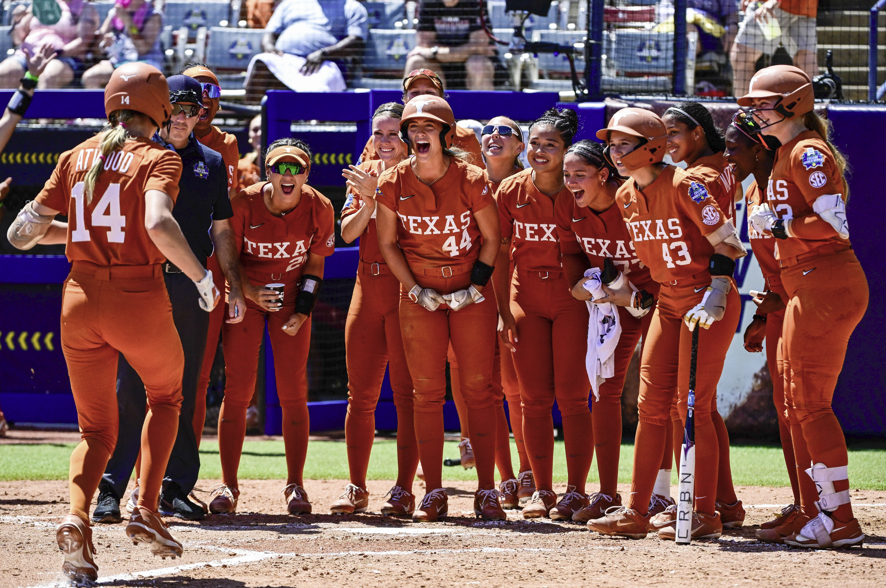
Few college sports have generated the sustained excitement this particular tournament has produced in recent years, culminating annually in a genuinely electric championship series held at Oklahoma City’s historic Devon Park venue. The 2026 tournament delivered a compelling all-Texas championship rematch, with dramatic elimination-bracket comebacks defining the path toward the sport’s ultimate prize. Fans wanting to follow live scores and coverage can check the latest updates at dbbet-bangladesh.com, where softball coverage stays current throughout the competitive season.
Understanding Softball as a Rapidly Growing College Sport
Softball has experienced remarkable growth within college athletics in recent years, with the Women’s College World Series drawing increasingly substantial television audiences and packed crowds at Devon Park’s historic 13,000-capacity venue in Oklahoma City.
This growth reflects broader investment in women’s college athletics generally, with programs across major conferences dedicating considerable resources toward recruiting, facilities, and coaching infrastructure specifically designed to elevate their softball program’s competitive standing nationally.
Devon Park itself carries genuine historical significance too, having hosted the WCWS every year since 1990, and the venue is set to host softball’s Olympic competition during the 2028 Los Angeles Games, further cementing its status as college softball’s spiritual home.
Breaking Down the 2026 College Softball World Series Tournament
The college softball world series field featured 64 total teams competing through a comprehensive bracket structure, beginning with regional competition in mid-May before progressing through super regionals and ultimately the culminating championship rounds in Oklahoma City.
This tournament format tests genuine sustained excellence across an extended postseason run, since teams must navigate best-of-three regional and super regional series before reaching the World Series itself, where elimination-bracket pressure creates some of college sports’ most dramatic moments.
The 2026 tournament proved genuinely unpredictable too, since Oklahoma, previously dominant with six national titles across recent seasons, failed to reach the World Series at all, while Mississippi State earned a surprising first-ever WCWS appearance after upsetting the Sooners.
Texas Softball’s Path to a Second Consecutive Championship
Texas softball entered the 2026 tournament as the defending national champion, and the Longhorns ultimately defended their title successfully, defeating Texas Tech in the championship series to claim back-to-back national championships.
Texas’s championship path included genuine adversity too, since the Longhorns opened World Series play with a 6-3 loss to Tennessee before battling through the elimination bracket, needing consecutive victories over the Volunteers just to reach the championship series at all.
Pitcher Teagan Kavan proved instrumental throughout this championship run, delivering a scoreless six-inning performance during the decisive semifinal victory over Tennessee before continuing her dominant postseason form into the championship series against Texas Tech.
The Dramatic Texas Tech Semifinal Run
Texas Tech’s own path toward the championship series proved even more dramatic, requiring a season-saving walk-off home run from Mia Williams to force a decisive second game against top-seeded Alabama during their semifinal matchup.
That deciding contest against Alabama featured genuine back-and-forth drama too, with Alabama’s Jena Young hitting a clutch two-run homer to tie the game in the top of the seventh inning, only for Williams to immediately end the contest with her own walk-off solo shot.
This dramatic semifinal victory advanced Texas Tech to their second consecutive championship series appearance against Texas, setting up a genuine rematch of the previous year’s title series where Texas had claimed victory through a decisive Game 3 performance.
Alabama Softball’s Strong Regular Season and Tournament Run
Alabama softball entered the 2026 tournament as the overall top seed, reflecting a genuinely strong regular season that included capturing the program’s SEC tournament appearance before their eventual elimination during the World Series semifinal round.
The Crimson Tide’s tournament run included dominant performances too, including an 8-0 shutout victory over LSU during their super regional matchup in Tuscaloosa, demonstrating the pitching depth and offensive consistency that established them as genuine championship favorites entering Oklahoma City.
Despite this strong overall season, Alabama ultimately fell short of reaching the championship series itself, losing their decisive semifinal contest against Texas Tech despite the Red Raiders managing just two hits compared to Alabama’s considerably higher offensive output throughout that particular contest.
NiJaree Canady’s Historic Career Conclusion
Texas Tech’s championship series appearance featured a genuinely significant individual storyline too, with star pitcher NiJaree Canady making her final collegiate start after reaching World Series semifinals in all four seasons of her career, split between Stanford and Texas Tech.
Despite this remarkable sustained postseason success throughout her career, Canady had never previously captured a national championship, adding genuine emotional weight to her final collegiate performance as she pitched a complete game during the championship series’ decisive contest.
Her career trajectory illustrates college softball’s increasingly significant transfer portal dynamics too, since her move from Stanford to Texas Tech reflected broader trends of established stars relocating programs in pursuit of championship contention opportunities.
Understanding the Championship Series Format
The Women’s College World Series championship round follows a best-of-three format, requiring the eventual champion to win two games against their finals opponent after both teams have already survived the tournament’s demanding elimination bracket structure.
This format creates genuine additional pressure beyond the preceding rounds, since teams arriving at the championship series have often already battled through emotionally and physically demanding elimination games, testing pitching depth and overall roster endurance heading into the decisive contests.
Texas’s successful title defense specifically required winning six consecutive games at Devon Park, including four straight elimination-bracket victories following their opening tournament loss, demonstrating the genuine resilience required to sustain a championship run through this demanding format.
Historical Context Within College Softball’s Championship Landscape
Understanding this championship within broader historical context reveals UCLA remains the sport’s all-time leader with thirteen total national titles, while Oklahoma holds the record for sustained dominance, having won four consecutive championships between 2021 and 2024.
Texas’s back-to-back titles represent a genuinely significant recent achievement too, establishing the Longhorns as a legitimate emerging dynasty following their program’s first-ever championship in 2025, now extended through a successful title defense the following season.
This championship success also reflects broader realignment effects within college athletics, since Texas and Oklahoma’s move into the SEC has intensified competitive stakes within that conference’s softball landscape, contributing to Texas’s first-ever SEC tournament title earlier in the same season.
The Broader Competitive Landscape Heading Forward
This tournament’s genuine unpredictability, exemplified through Oklahoma’s surprising absence and Mississippi State’s breakthrough appearance, suggests college softball’s traditional competitive hierarchy continues evolving as more programs invest seriously in championship-caliber roster development.
Texas’s sustained recent success alongside Texas Tech’s consistent deep tournament runs suggests a genuine emerging rivalry within Texas softball specifically, with both programs now representing consistently elite competitive standards within college softball’s increasingly competitive landscape.
Whatever specific programs ultimately define future championship contention, this tournament demonstrated clearly that college softball’s postseason continues delivering genuinely compelling drama, ensuring sustained fan interest as the sport continues its remarkable growth trajectory within American college athletics.