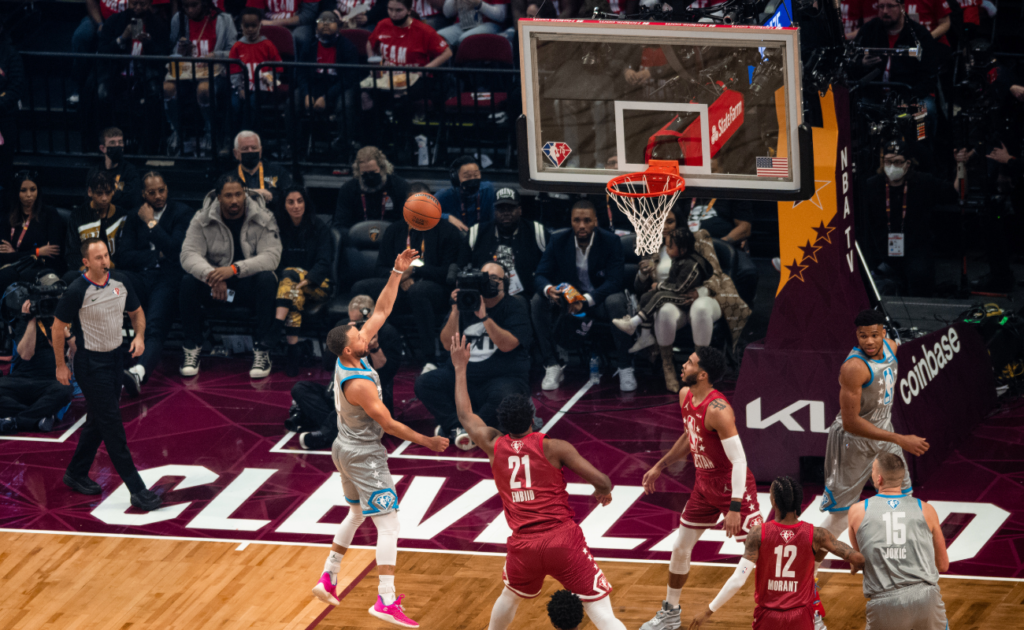
Few college sports generate the sustained excitement this fast-paced game produces, culminating annually in March Madness, one of the most heavily followed postseason tournaments in American sports. Understanding the fundamental rules governing game structure, timing, and scoring transforms casual viewing into genuinely informed appreciation of the strategic decisions shaping every contest. Fans wanting to follow scores and coverage can check the latest updates at Dbbet, where basketball action stays current throughout the season.
Understanding College Basketball’s Basic Structure
College basketball operates under rules established by separate committees for men’s and women’s play, both technically falling under NCAA oversight while maintaining genuinely distinct structural differences that surprise many casual fans unfamiliar with both games.
This separate rule-making structure has produced meaningfully different gameplay experiences between men’s and women’s college basketball, particularly regarding fundamental game timing, an area where the two versions of the sport diverge considerably from one another.
Understanding these structural differences matters significantly for fans following both men’s and women’s tournaments simultaneously, since assuming identical rules across both versions can lead to genuine confusion regarding game flow and remaining playing time.
How Many Quarters in College Basketball: A Surprising Answer
Addressing how many quarters in college basketball reveals one of the sport’s most notable gender-based rule differences, since men’s college basketball doesn’t actually use quarters at all, instead dividing games into two twenty-minute halves.
Women’s college basketball, by contrast, switched to a four-quarter format beginning with the 2015-16 season, following a rule change approved specifically to improve game flow and align more closely with professional basketball’s structural conventions.
This distinction means men’s college basketball remains genuinely unique among major basketball competitions worldwide, standing as essentially the only prominent basketball format that still uses the traditional halves structure rather than adopting quarters.
The Historical Journey From Quarters Back to Halves
Interestingly, men’s college basketball actually experimented with four-quarter formats decades earlier, adopting ten-minute quarters during the early 1950s before reverting back to the traditional halves structure just a few seasons later.
This reversal stemmed primarily from coaching concerns regarding stalling tactics, since the absence of a shot clock during that era meant teams could theoretically hold possession indefinitely, making quarter breaks less strategically meaningful compared to sustained half-length possessions.
The NBA, notably, made the opposite decision during this same historical period, retaining the four-quarter format and eventually extending each quarter to twelve minutes, establishing the professional league’s now-familiar forty-eight-minute total game structure.
How Long Are College Basketball Games: Breaking Down Total Duration
Understanding how long are college basketball games requires distinguishing between actual playing time and total broadcast duration, since stoppages for fouls, timeouts, and media breaks extend real-world game length considerably beyond the official clock time.
Men’s games feature forty total minutes of actual playing time across their two twenty-minute halves, though typical broadcasts stretch to approximately two hours once accounting for all the various interruptions that naturally occur throughout a competitive contest.
Women’s games similarly total forty minutes of playing time distributed across four ten-minute quarters, with additional structured breaks between each quarter that create a somewhat different overall broadcast rhythm compared to men’s two-half format.
Overtime Rules When Games End in a Tie
When regulation time expires with scores level, both men’s and women’s college basketball move into overtime periods, each lasting five minutes regardless of whether the preceding format used halves or quarters during standard regulation play.
Multiple overtime periods can occur if scores remain tied after the initial extra period, occasionally producing genuinely marathon contests that test player conditioning well beyond what typical game planning anticipates for a single competitive contest.
Overtime periods are technically considered extensions of the second half in men’s basketball, or the fourth quarter in women’s basketball, a distinction that affects how team foul counts carry forward into these extra periods of play.
Understanding the Shot Clock and Its Strategic Impact
Both men’s and women’s college basketball utilize a thirty-second shot clock, requiring teams to attempt a shot within that timeframe or surrender possession, a rule specifically designed to maintain consistent offensive pace throughout every contest.
This shot clock duration differs notably from professional basketball’s twenty-four-second clock used in both the NBA and WNBA, reflecting a deliberate NCAA decision to provide college teams slightly more time for offensive possessions compared to professional-level play.
The shot clock has undergone its own evolution over the decades too, originally set considerably longer before eventually being trimmed to its current thirty-second duration, reflecting ongoing efforts toward encouraging faster-paced, more entertaining offensive basketball.
Foul Rules and the Bonus Free Throw System
Men’s college basketball enters bonus free throw territory upon a team’s seventh foul within a half, initially requiring the fouled player to successfully make their first free throw attempt before earning a second shot, commonly called a “one-and-one” situation.
Women’s college basketball operates under a different foul penalty structure entirely, reaching bonus free throws upon the fifth team foul within any given quarter, automatically awarding two free throws for every subsequent common foul without the one-and-one requirement.
This foul rule difference directly connects to the broader quarters-versus-halves structural distinction, since resetting team fouls after each quarter break naturally creates different penalty thresholds compared to accumulating fouls across a longer twenty-minute half.
Understanding College Basketball Scores and Common Scoring Patterns
Following college basketball scores requires understanding standard scoring conventions, including two-point field goals for shots made inside the three-point arc and three-point shots for successful attempts beyond that extended perimeter distance.
The NCAA three-point line has undergone several distance adjustments over recent decades, with the men’s game adopting the current FIBA-standard distance beginning with the 2019-20 season, while women’s basketball implemented the same standardized distance shortly afterward.
Understanding these court dimension nuances helps explain scoring pattern differences between different eras of college basketball, since extending the three-point distance genuinely affects shot selection and overall offensive scoring efficiency across an entire season.
Media Timeouts and Broadcast Structure
Men’s college basketball incorporates four media timeouts distributed throughout each twenty-minute half, occurring at designated stoppages in play, creating a total of eight media breaks across regulation time plus two halftime intermissions.
Women’s college basketball structures its media timeouts somewhat differently, incorporating breaks midway through each quarter alongside natural breaks between quarters themselves, creating seven total media stoppages beyond any team-requested timeouts during a standard game.
These broadcast timeout structures reflect genuine commercial television considerations too, since consistent, predictable break patterns help networks plan advertising inventory while still preserving the game’s natural competitive flow for viewers following along at home.
Ongoing Debate About Adopting Quarters for Men’s Basketball
Despite women’s basketball’s successful transition toward quarters years ago, men’s college basketball has maintained its traditional halves structure, even as prominent basketball analysts have repeatedly advocated for adopting the four-quarter format used virtually everywhere else in organized basketball.
Proponents of this potential change argue that quarters would provide additional strategic clock management opportunities while also eliminating the sometimes-confusing one-and-one free throw situation that currently exists exclusively within men’s college basketball’s foul penalty structure.
Despite this ongoing advocacy, no formal rule change proposal has gained sufficient traction within the NCAA’s Men’s Basketball Rules Committee, meaning the traditional halves format remains a defining structural characteristic distinguishing men’s college basketball from most other basketball formats worldwide.
Why Understanding These Rules Enhances the Viewing Experience
Genuinely understanding these structural nuances, from quarters versus halves through foul penalty thresholds, considerably enhances viewing experience for fans following both men’s and women’s college basketball throughout an entire competitive season.
This knowledge becomes particularly valuable during March Madness specifically, when many casual fans simultaneously follow both tournament brackets, making awareness of these fundamental rule differences essential for accurately tracking game situations across both competitions.
Whatever specific rules continue evolving within college basketball moving forward, understanding these current structural foundations provides genuinely useful context for appreciating the sport’s strategic depth and historical development across its long competitive history.