Few water sports combine athletic demands quite like windsurfing, blending sailing’s tactical wind-reading knowledge with genuine athletic balance and physical endurance across a single unified piece of equipment. Understanding how this sport actually works, from basic equipment through its evolving Olympic competitive format, transforms watching windsurfing from confusing spectacle into genuinely appreciable athletic and technical mastery. Fans wanting to follow competitive coverage can check the latest updates at db bet, where sports coverage stays current across a wide range of competitive disciplines.
Understanding What Windsurf Actually Is
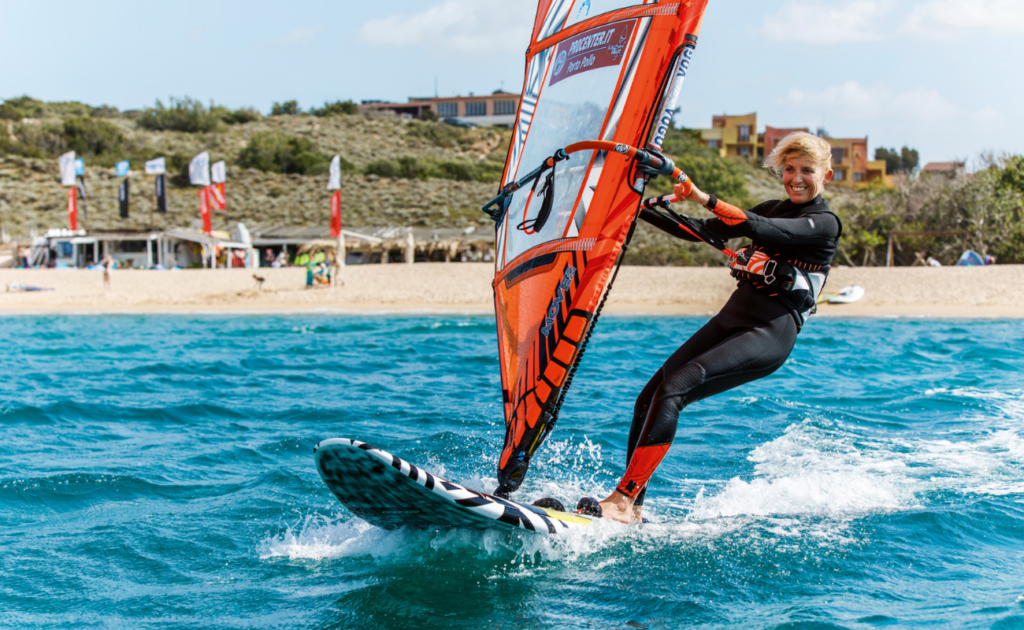
Windsurf equipment combines elements from both sailing and surfing into a single unified craft, featuring a board with an attached sail, mast, and boom that the rider controls directly by hand while balancing on the water’s surface.
Unlike traditional sailing, where a separate rudder and boat hull provide directional control, windsurfing requires the athlete to steer entirely through body weight shifts and sail angle adjustments, creating a genuinely unique combination of balance, strength, and tactical wind awareness.
This equipment design means windsurfing demands considerably more direct physical involvement compared to conventional sailing, since the athlete essentially becomes the boat’s living rigging system, constantly adjusting their body position to maintain both balance and optimal sail power throughout every maneuver.
The Sport’s Origins and Historical Development
Windsurfing emerged during the late 1960s and early 1970s, combining surfboard design principles with a freely rotating sail rig, creating an entirely new watersport category that quickly attracted both recreational enthusiasts and competitive athletes worldwide.
The sport achieved Olympic recognition relatively quickly compared to many watersports, with men’s windsurfing joining the Summer Olympics program in 1984, followed by women’s competition joining the Olympic program in 1992.
This Olympic inclusion helped legitimize windsurfing as a genuine competitive discipline beyond simple recreational activity, establishing standardized equipment and competitive formats that continue evolving today as the sport pursues broader mainstream recognition and participation.
Breaking Down How Windsurfing Actually Works
Understanding windsurfing at its most fundamental level requires recognizing that riders harness wind power through their sail while using their board to glide across the water’s surface, converting wind energy directly into forward propulsion and speed.
Steering happens through a combination of sail angle adjustment and body weight positioning, with riders leaning the sail forward or backward while shifting their own body weight to control both direction and speed throughout any given maneuver on the water.
This control system demands genuine technical mastery, since successful windsurfing requires simultaneously managing sail trim, board balance, and body positioning, all while reading constantly shifting wind conditions that can change rapidly during actual competitive or recreational sessions.
Essential Equipment: Understanding the Complete Setup
A complete windsurfing setup consists of several distinct components working together, including the board itself, a mast that attaches perpendicular to the board, a sail that captures wind power, and a boom that riders grip to control sail positioning.
Modern competitive windsurfing increasingly incorporates hydrofoil technology too, with a foil attached beneath the board specifically designed to lift the craft partially out of the water, dramatically reducing drag and enabling considerably higher achievable speeds.
This foiling technology represents a genuinely significant recent evolution within competitive windsurfing specifically, since hydrofoil-equipped boards can maintain higher speeds even in relatively light wind conditions compared to traditional non-foiling equipment designs.
Wind Surfing Basics: Getting Started With the Sport
For newcomers learning wind surfing fundamentals, initial instruction typically emphasizes basic balance while standing on a stationary board before progressively introducing sail control and steering techniques once fundamental stability becomes genuinely comfortable.
Beginning windsurfers typically start with larger, more stable boards and smaller sails specifically designed to reduce power and make initial balance considerably more manageable before progressing toward more responsive, performance-oriented equipment as skill develops.
This progressive equipment approach reflects broader windsurfing instruction philosophy, recognizing that successful skill development requires building genuine fundamental balance and wind-reading comprehension before introducing the more demanding equipment that competitive and advanced recreational windsurfing ultimately requires.
Understanding the iQFOiL: Modern Olympic Windsurfing Equipment
Olympic windsurfing competition currently uses standardized iQFOiL equipment, a hydrofoil-equipped board and sail combination that replaced the previous RS:X equipment class beginning with the Paris 2024 Olympic Games.
This equipment transition reflected broader windsurfing evolution toward foiling technology, since the hydrofoil design allows athletes to achieve genuinely higher speeds while racing, making Olympic competition more visually dynamic and exciting for both in-person spectators and broadcast audiences.
The iQFOiL class maintains strict one-design principles too, meaning every competing athlete uses genuinely identical standardized equipment specifications, ensuring competitive outcomes reflect athletic skill and tactical decision-making rather than any equipment-based performance advantage.
Olympic Racing Formats: Understanding Competition Structure
Olympic windsurfing competition incorporates multiple distinct racing formats, including course racing featuring tactical upwind and downwind challenges, alongside shorter sprint slalom races emphasizing pure downwind speed across a considerably more condensed timeframe.
Course racing typically takes around twenty minutes per race, testing genuine tactical decision-making regarding wind angle and positioning, while sprint slalom races last just several minutes, emphasizing explosive speed and quick reactive maneuvering throughout a shorter downwind course.
Marathon-format races round out the competitive structure too, extending well beyond an hour as athletes navigate longer courses incorporating recognizable geographic landmarks, testing sustained physical endurance alongside the tactical skills more prominently featured in shorter race formats.
How Athletes Qualify for Olympic Medal Competition
Following an extensive series of races across these different formats, accumulated points determine which athletes advance toward the medal series, typically narrowing the field to approximately the top ten competitors from the broader initial qualifying fleet.
This medal series then proceeds through quarterfinal and semifinal elimination rounds before culminating in a decisive Grand Final, creating genuine championship-level pressure during these concluding races that ultimately determine Olympic medal positions.
This structured qualification process ensures Olympic windsurfing champions demonstrate genuine sustained excellence across multiple different racing formats and weather conditions, rather than simply excelling within a single specialized competitive scenario.
The Sport’s Continued Evolution Toward Los Angeles 2028
Windsurfing’s Olympic equipment continues evolving even between Games, with recent adjustments to sail sizing specifically implemented to improve accessibility and fairness across different athlete body types heading toward the 2028 Los Angeles Olympics.
These equipment refinements reflect genuine ongoing effort toward balancing competitive fairness against the sport’s inherent physical demands, recognizing that windsurfing’s wind-powered nature creates unique equalization challenges compared to many other Olympic competitive disciplines.
The 2028 Olympic sailing program will maintain iQFOiL as the designated Olympic windsurfing class too, with competition specifically scheduled for Long Beach, California, reflecting continued institutional commitment toward this hydrofoil-based competitive format moving forward.
Physical Demands and Athletic Requirements
Competitive windsurfing demands a genuinely unique combination of physical attributes, including exceptional core strength and balance necessary for sustained sail control, alongside considerable cardiovascular endurance required for extended racing sessions across variable wind conditions.
Upper body strength proves particularly crucial too, since riders must consistently manage sail tension and positioning against genuine wind resistance, a physical demand that intensifies considerably during stronger wind conditions or extended marathon-format racing scenarios.
This combination of required physical attributes means successful competitive windsurfers typically develop genuinely comprehensive athletic conditioning programs, addressing balance, strength, and endurance simultaneously rather than focusing narrowly on any single physical capability alone.
Why Windsurfing Continues Attracting Global Participation
Windsurfing’s combination of technical skill development and genuine athletic challenge continues attracting recreational participants worldwide, offering a sport that rewards sustained practice while providing an accessible entry point through progressively advanced equipment and instruction.
The sport’s Olympic presence further reinforces this broader participation base too, since Olympic competition provides aspirational visibility that introduces windsurfing to audiences who might otherwise never encounter this particular watersport outside major international competitive events.
Whatever specific aspect initially draws someone toward windsurfing, whether recreational enjoyment or genuine competitive ambition, understanding the sport’s equipment fundamentals and competitive structure provides valuable foundation for appreciating this genuinely unique combination of sailing tactics and athletic performance.